An instrument is one of the most rewarding gifts a person can receive, and one of the easiest to undermine. A guitar given without a tuner, a set of picks or a lesson can sit in the corner for years. A keyboard given without a stand or headphones can be awkward to use in a shared home. A last-minute order can add delivery delays, sizing questions and a return window that closes before the first practice session.
This guide explains how to choose an instrument gift that gets played, how to decide which accessories and lessons make the difference, how to check shipping and return terms before the holiday and how to present the gift so it feels like an invitation to start. It does not recommend a particular instrument, and it does not promise how quickly the recipient will progress. If you are giving an instrument to someone with a physical or hearing condition, speak with them and with a physician or qualified teacher about the best choice.
In brief
- Accessories often matter more than the instrument itself.
- A lesson credit gives structure and feedback.
- Ask for a gift receipt before the holiday.
Choose for the person, not the picture
The most useful thing you can learn before buying is what the recipient already enjoys. Do they hum along to a particular kind of music? Have they mentioned an instrument they have always wanted to try? Have they played before, even briefly? An instrument chosen to match their taste is far more likely to be played than one that looks impressive.
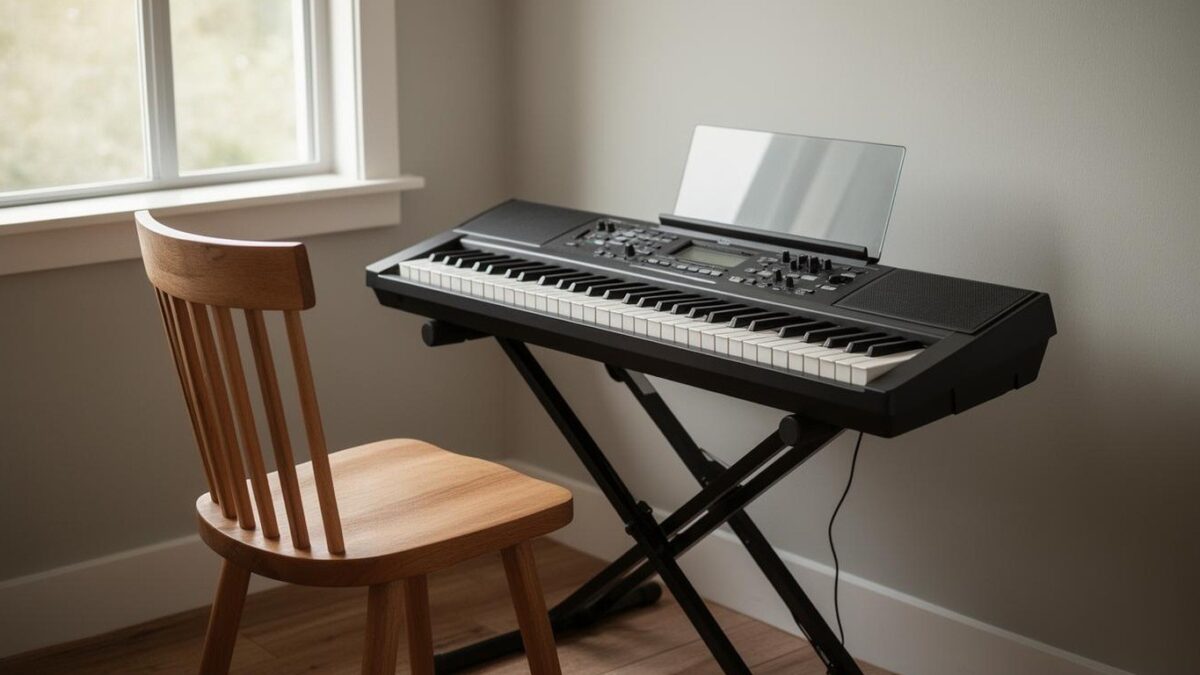
If you cannot ask, a small, reliable instrument with a clear purpose is often a safer gift than an expensive one. A beginner guitar or a simple keyboard, with the basics included, can be a lovely start without overwhelming the recipient.
The accessories that make a difference
An instrument alone is rarely enough to begin. The accessories below help the first weeks feel manageable.
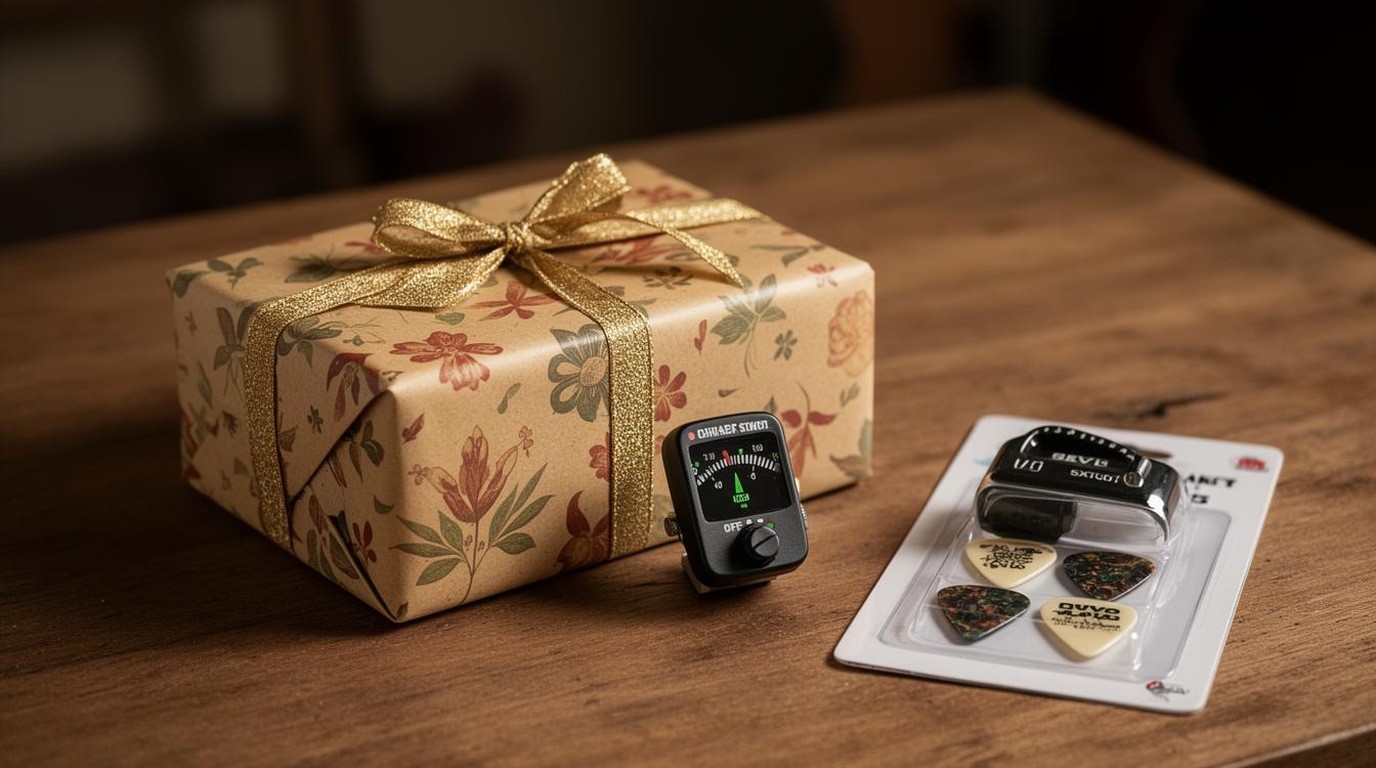
- A tuner, so the instrument can be kept in tune without a teacher.
- Picks or a practice pad, if the instrument needs them.
- A strap or a stand, so the instrument is comfortable and stable.
- A case or a cover, to protect it when not in use.
- A spare set of strings for a guitar, or spare batteries for a battery-powered keyboard.
- A lesson credit or a short course, which gives the recipient structure and feedback.
Choose one or two of these rather than a long list. A gift that is too full can feel like homework.
Lessons and a plan
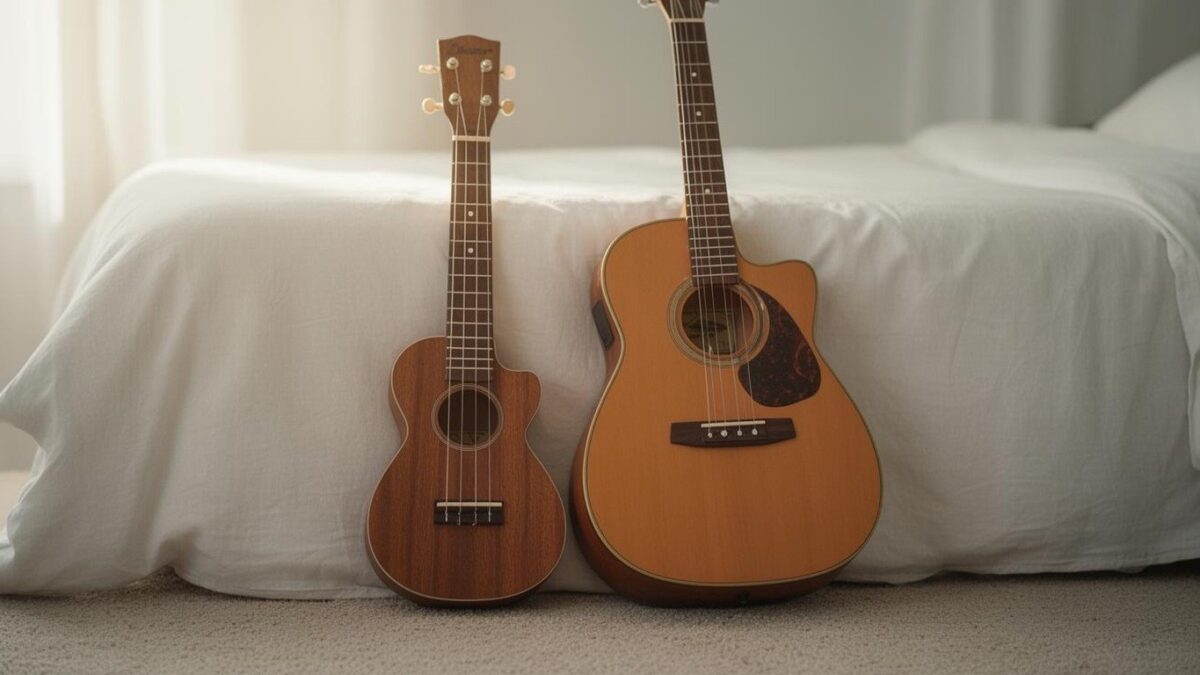
A lesson credit or a short course is one of the most valuable additions to an instrument gift. It gives the recipient a teacher and a schedule, and it removes the guesswork of the first month. Check whether the lessons are live or online, how long each session is and whether there is a trial lesson. Our guide to choosing between a ukulele and a guitar helps when the instrument itself is still undecided.
If the recipient is not ready for lessons, a simple note with three songs to try can be a friendly start. Keep it short, and make it clear the gift is theirs to enjoy at their own pace.
Shipping and timing
Instruments are often shipped in sturdy boxes, but they are still sensitive to heat, cold and rough handling. Ask the seller how the instrument will be packed, whether it will be shipped in its own box and whether a case is included. Check the delivery date and allow time for delays in the holiday season.
Keep the tracking number and the order confirmation. If the instrument arrives damaged, report it to the seller and the carrier promptly, and keep the packaging until the claim is settled.
Return rules and gift receipts
Ask for a gift receipt before you order, and check the return window. Some sellers do not accept returns on instruments once they are opened, or they apply restocking fees. Ask in writing what happens if the recipient needs a different size, such as a smaller guitar or a keyboard with a different key count.
A gift card to an instrument shop is a sensible fallback when the choice is uncertain. It lets the recipient choose the size and the model they prefer, though it is less personal.
Check the setup before wrapping
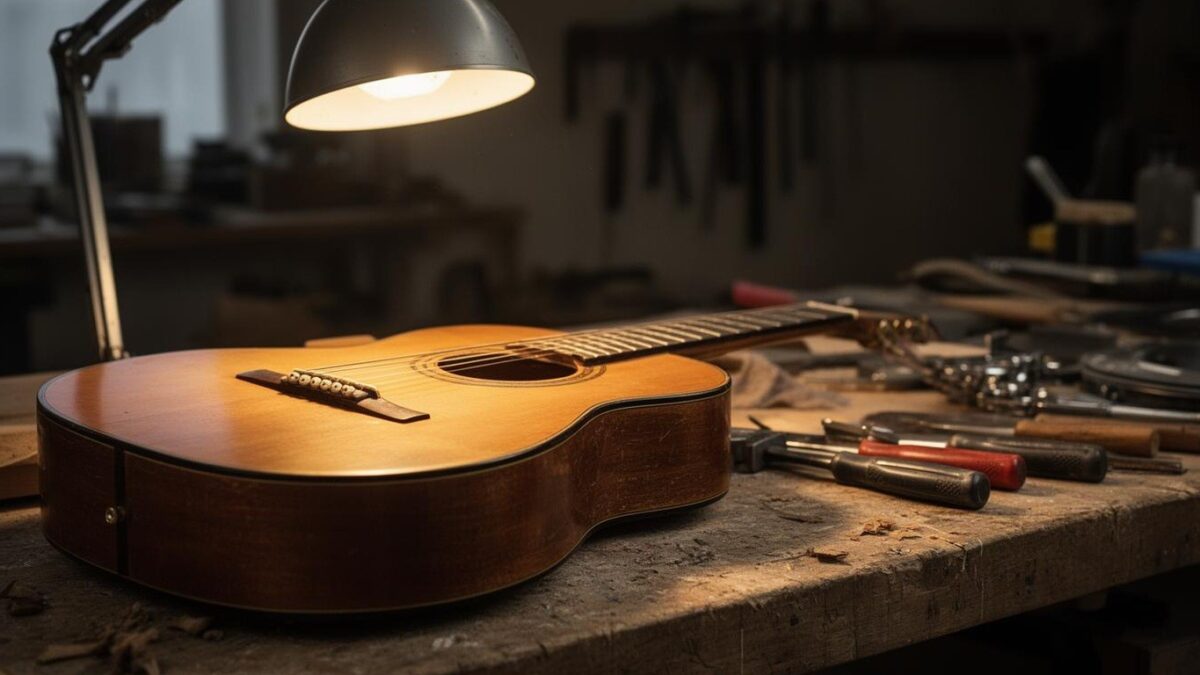
If the instrument is new and has not been set up, ask the seller whether it has been checked for action and intonation. Many shops include a basic setup, and some offer a fitting service. A guitar that is out of tune or hard to press can discourage the recipient on the first day. Check the instrument yourself, if you can play, and make sure the batteries or the power supply work before the gift is wrapped.
Presentation
A handwritten card is worth more than an expensive wrap. Say why you chose this instrument, and what you hope the recipient will enjoy. Include a short note about the lessons or the accessories, so they know what is in the box. Avoid making the gift sound like a test or a demand to perform. An invitation to play is more welcoming than an expectation.
Questions to ask the seller
- Is a case, tuner or strap included, and what else is in the box?
- Has the instrument been set up, and what was adjusted?
- What is the return or exchange policy for an opened instrument?
- Can a gift receipt be provided, and what is the holiday return window?
- Are lesson credits available, and do they expire?
The short version
An instrument gift gets played when it matches the recipient’s taste, comes with the accessories that remove early frustration and includes a lesson or a simple plan. Check shipping, the setup and the return terms before the holiday, ask for a gift receipt and keep the card personal and short. The best gift is the one that makes the first practice session feel possible.
Instrument gift myths
Myth: A better instrument always gets played more.
Reality: Comfort and setup often matter more than the price. A well-set-up, comfortable instrument is the one that gets picked up.
Myth: Accessories are optional extras.
Reality: A tuner, a strap or a case removes early frustration and makes practice easier.
Myth: The holiday return window is always generous.
Reality: Return rules vary, especially for opened instruments. Check them before buying.