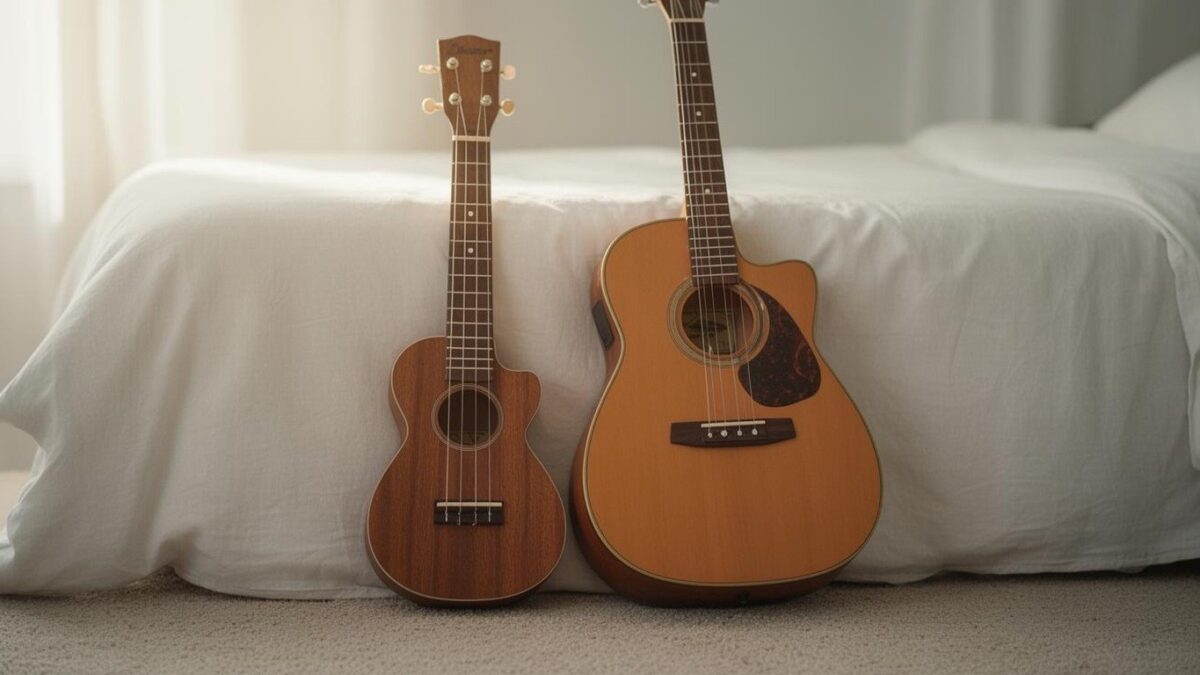

A used guitar or keyboard can be the best value in music, and it can also be an expensive repair in disguise. The instrument that looks lovely on a listing may have a bent neck, worn frets, a cracked top or electronics that work only when tapped. The difference between a good buy and a costly mistake often lies in a few minutes of careful inspection before any money changes hands.
This guide explains what to check on a used guitar and a used keyboard, what the signs of damage look like and when to ask a qualified technician for a full inspection. It does not estimate the value or resale price of any instrument, since values depend on the market and the specific item. For any repair beyond basic adjustment, use a qualified technician, and do not attempt structural repairs yourself.
Short answer: a used instrument can be good value, but the neck, frets, cracks and electronics need careful checking before any money changes hands. Test the instrument for a meaningful period.
Start with a clear question
Before you look at a used instrument, decide what you need. A beginner needs something playable and reliable, not a collector’s piece. An experienced player may want a specific tone or feel. Knowing your purpose helps you ignore the details that do not matter and focus on the ones that do.
Ask the seller why they are selling, how long they owned the instrument and whether they have the original case, papers or accessories. A seller who is open about the instrument’s history is usually easier to trust.
Check the neck
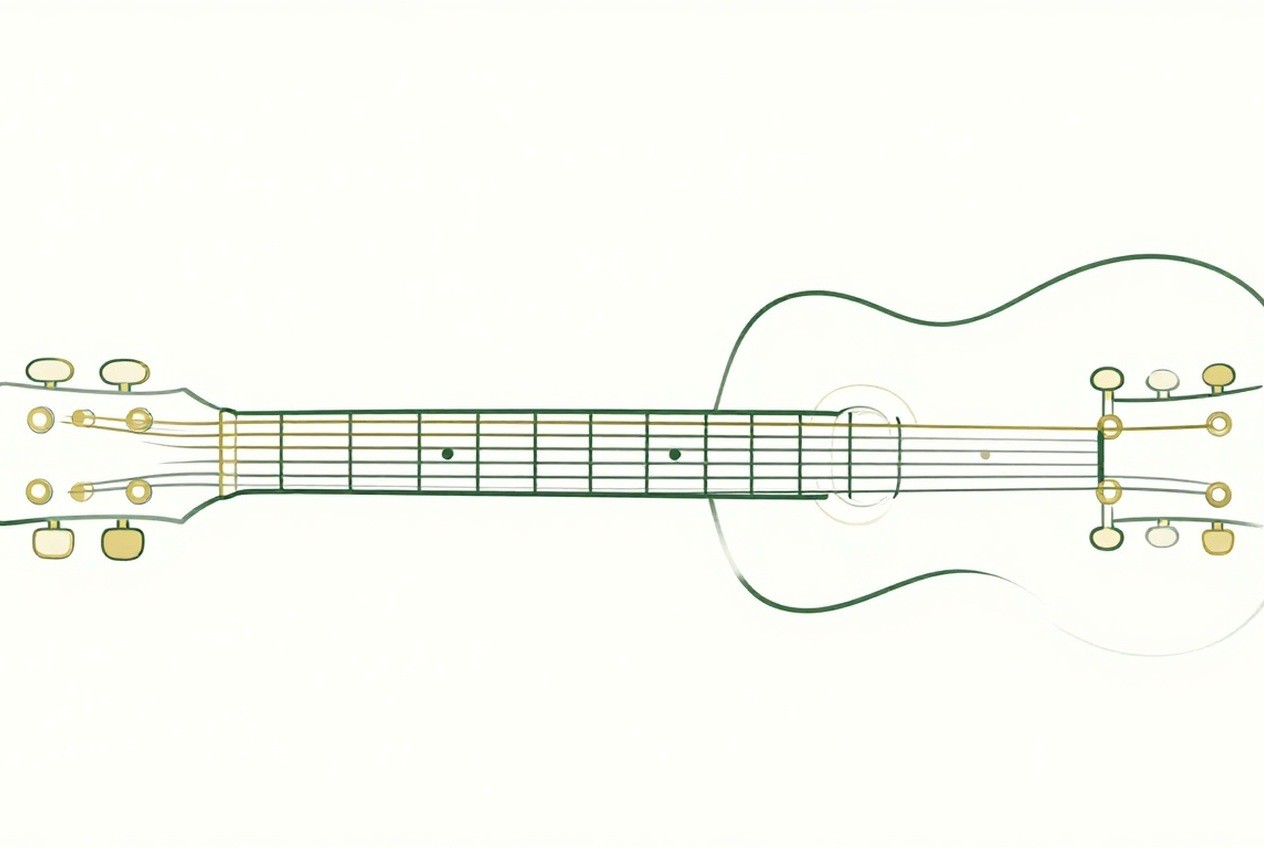
The neck is the most important part of a guitar to inspect. Sight down the neck from the headstock toward the body, using a straight edge or by looking along the fretboard against a light. A neck that bows forward or backward affects the action and the playability. A small amount of relief is normal, but a severe bend is a sign of a serious problem.
Check the frets, the metal strips along the fretboard. Look for flat spots, grooves, uneven wear and lifted edges. Worn frets make notes buzz and can be costly to replace. Press the strings at each fret and listen for buzzing or dead notes.
Check the body and the top
Look for cracks, splits, bulges and repairs on the top, back and sides. A crack in the top is often serious. Check the edges and the binding for lifting or missing pieces. Tap the top gently and listen for a clear, resonant sound. A dull or rattling sound can mean loose bracing or internal damage.
Look for signs of water damage, such as swelling or discoloration around the soundhole and the joints. Smell the instrument. A musty smell can indicate damp, which may have caused problems inside.
Check the tuners and hardware
Tune the guitar up and down several times. Tuners should turn smoothly, hold their position and not slip. Loose or stiff tuners are common and may be fixable, but ask a technician to check them. Look at the bridge and the saddle, where the strings attach. A lifting bridge or a split bridge plate can be a serious problem.
Check the electronics on a keyboard
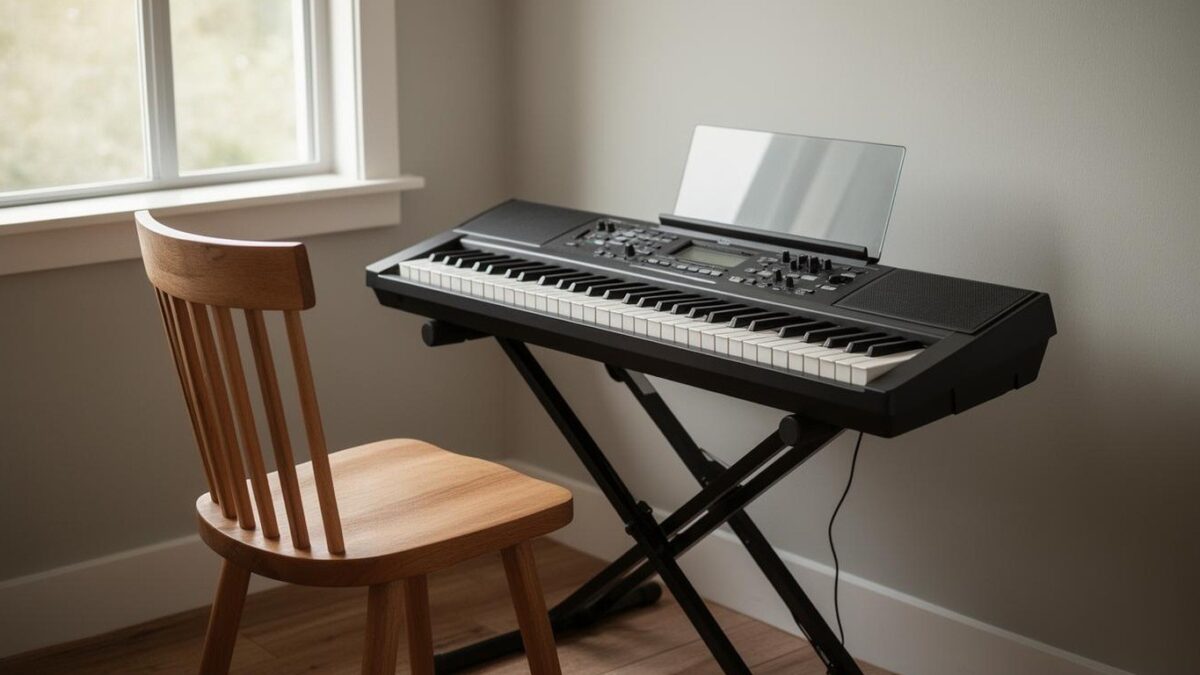
For a used keyboard, turn it on and test every key across the range. Listen for dead keys, sticking keys or notes that sound wrong. Check the pedal, the speakers, the headphone jack and the display. Test each button and function you plan to use. Press keys hard and soft to check the response, and listen for buzzing or crackling.
Check the power supply and cable. Use only the manufacturer’s supply or an approved replacement. We do not give repair instructions for electronics, and a fault with the internal circuitry should be assessed by a qualified technician.
Ask for a playing test
Play the instrument for at least ten minutes, including simple chords, scales and a piece you know. Notice how it feels under your hands and how it sounds in the room. Listen for buzzing, rattling and a tone that seems thin or uneven. If you are buying a keyboard, play across the full range and with both soft and loud touch.
Ask about the history
Ask whether the instrument has been repaired, refinished, rebuilt or modified. A repair is not always a problem, but it should be disclosed. Ask whether the neck has been adjusted, whether the frets have been replaced and whether the electronics were serviced. Keep a note of the answers.
When to get a technician
A technician can perform a more detailed inspection than most buyers can. If you are spending a significant amount, or if the instrument has visible damage, ask a qualified technician to check it before you buy. A technician can also estimate the cost of any necessary repair, and advise whether the instrument is worth the price. Ask the seller whether they allow a pre-purchase inspection.
Questions to ask the seller
- Has the instrument been repaired, refinished or modified?
- Does it come with the original case, papers and accessories?
- Can I play it for a while and bring a technician to check it?
- What is the return policy, and is there a warranty?
- Is there any known damage that is not visible in the photographs?
The short version
Inspect a used instrument carefully. Check the neck and frets, look for cracks and water damage, test the tuners and bridge and play the instrument for a meaningful period. For a keyboard, test every key and function. Ask about the history and consider a technician’s inspection for any significant purchase. A careful look now is cheaper than a repair bill later.
Takeaways
- Check the neck, frets and body for damage.
- Test every key or function on an electronic instrument.
- Ask about repairs and bring a technician for a serious purchase.
Buying a first instrument? Our guide to choosing a first acoustic guitar covers the size and setup checks.